What a Tubular Annealing Tinning Machine Does in Production
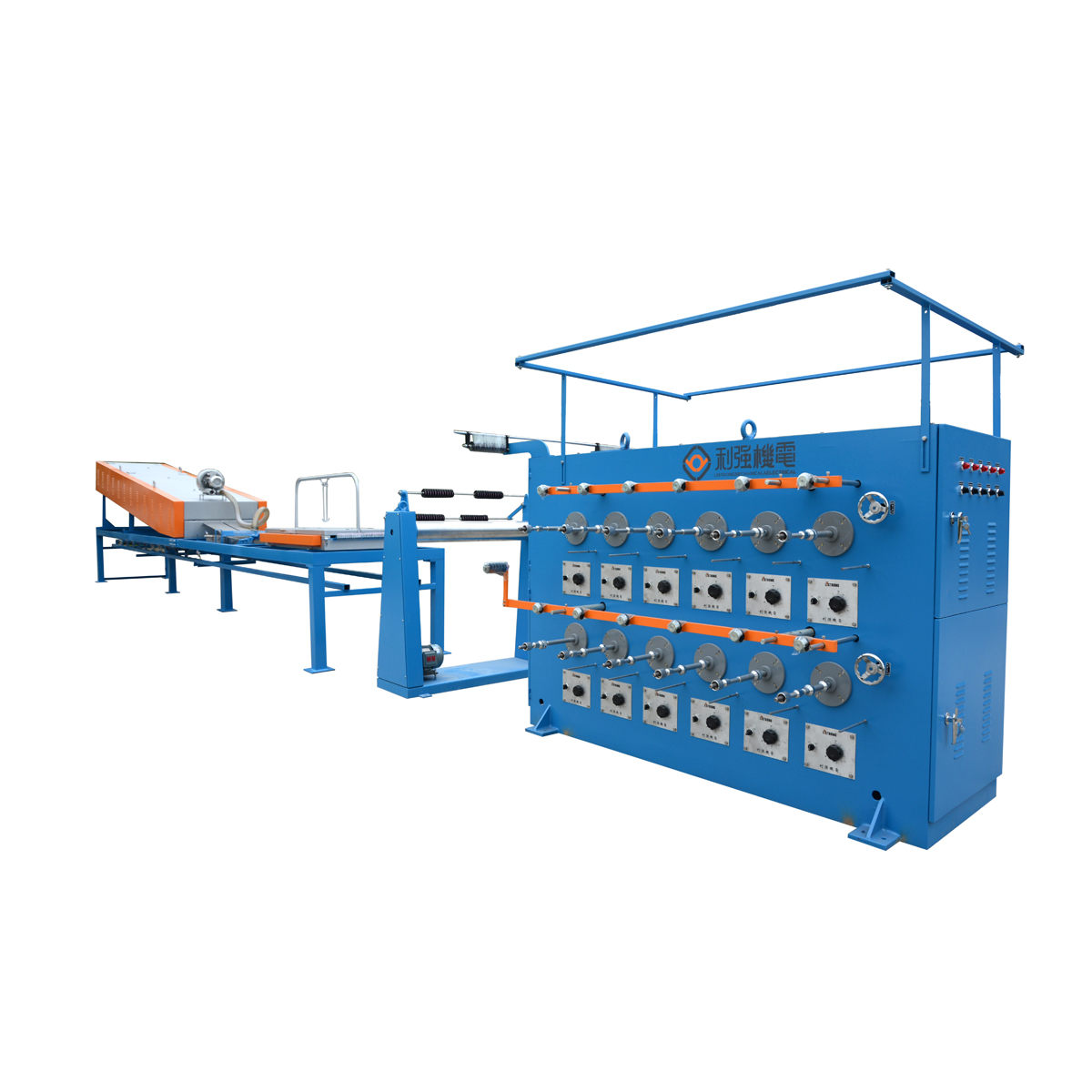
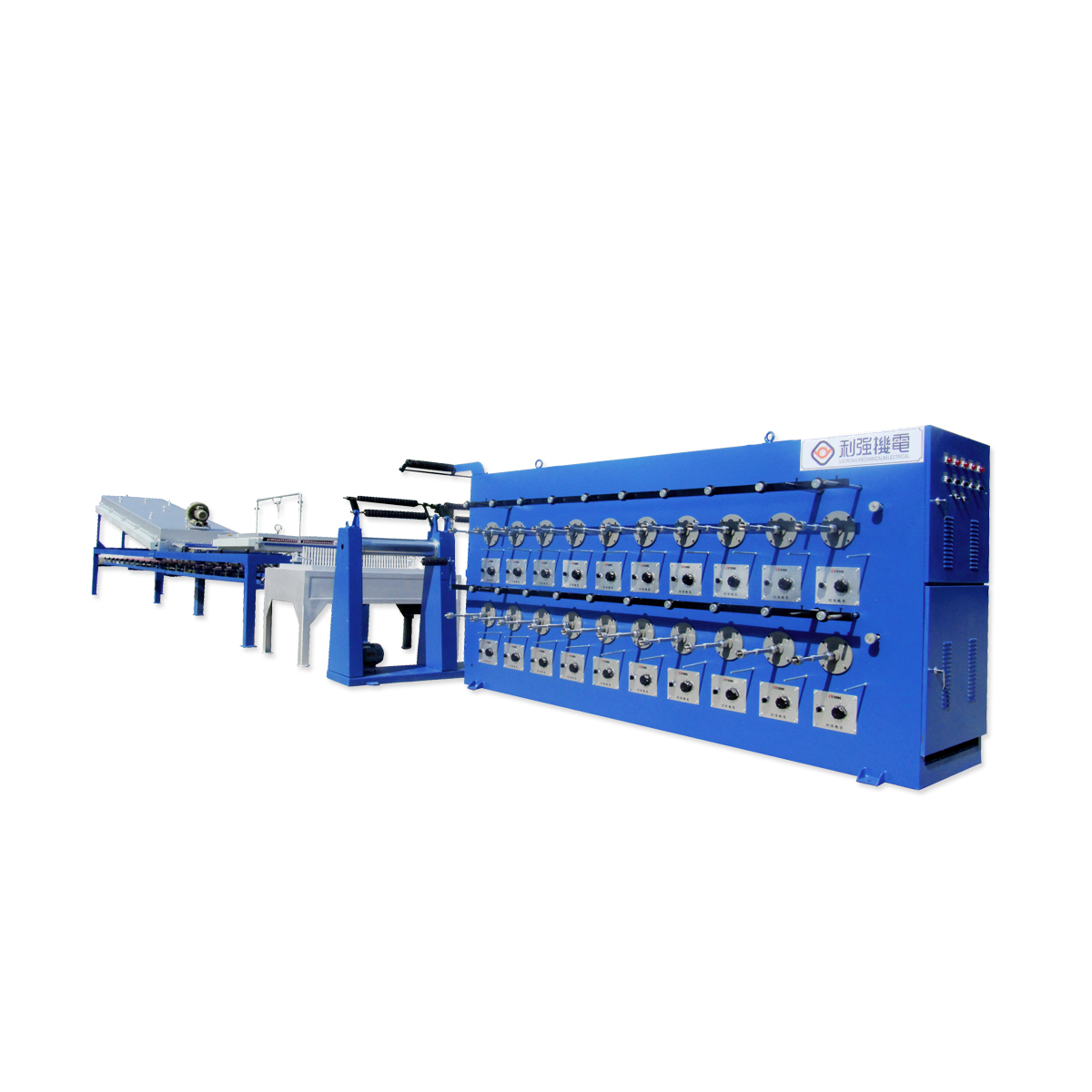
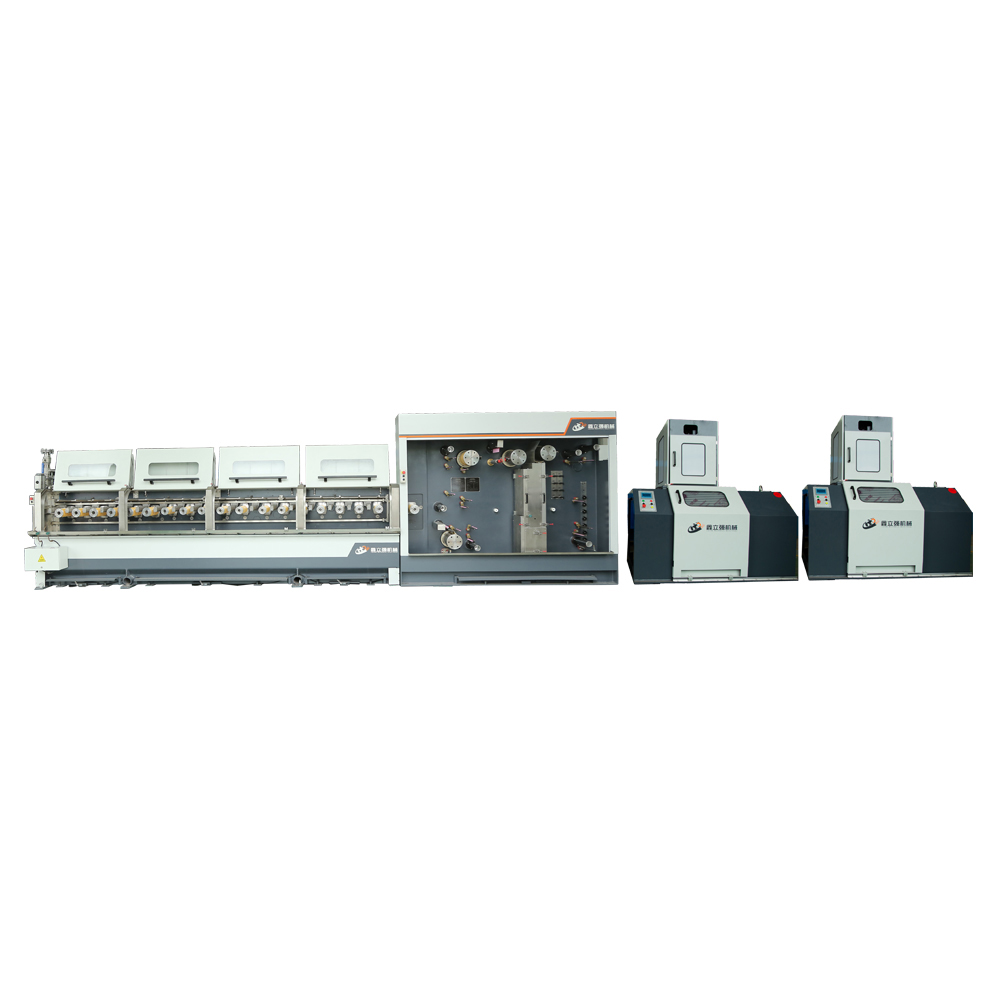
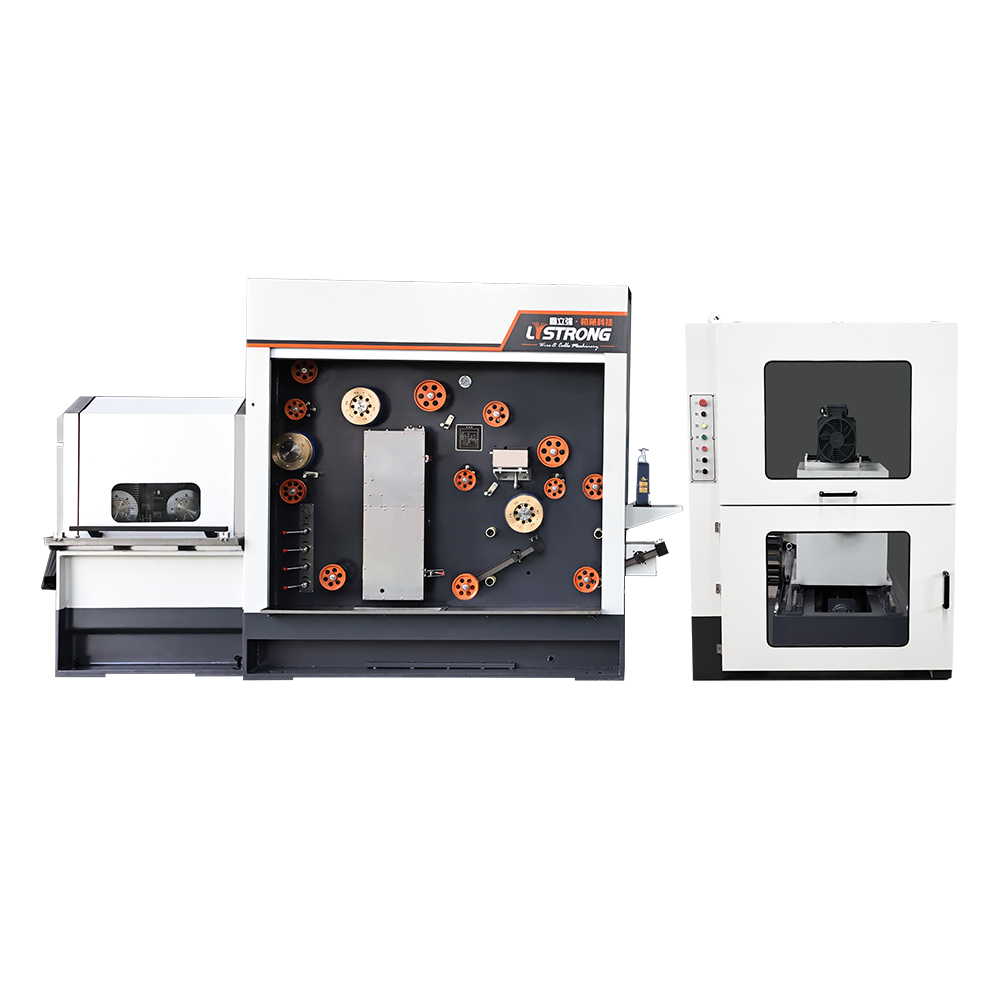
A Tubular Annealing Tinning Machine is a continuous line that softens (anneals) metal tube or wire and then applies a controlled tin coating to improve solderability, corrosion resistance, and electrical contact performance. It is most commonly used for copper and copper-alloy tubes/wires in HVAC, automotive, electrical harnessing, and heat-exchanger assemblies where consistent ductility and a stable, wettable surface are required.
The value is in repeatability: the anneal step stabilizes mechanical properties, while the tinning step provides a uniform finish that reduces oxidation and improves downstream joining yield. When tuned correctly, a line can hold both the mechanical condition and coating quality within narrow process windows at industrial throughput.
Typical Line Process Flow and Where Defects Start
End-to-end sequence
- Payoff and straightening (tube/wire tension control)
- Pre-cleaning / degreasing (remove oils and drawing residues)
- Tubular furnace annealing (temperature + dwell time in a controlled atmosphere)
- Surface activation / fluxing (promote tin wetting, suppress oxides)
- Hot-dip tinning (tin bath + wiping/die control to set coating)
- Cooling and rinse/dry (freeze coating, remove residues)
- In-line inspection (spark test where applicable, vision, thickness sampling)
- Take-up / coiling and traceability labeling
High-leverage checkpoints
Most coating failures originate upstream: insufficient cleaning or an oxygen-rich furnace environment produces oxide films that flux cannot reliably overcome. A practical rule is that surface preparation and atmosphere control drive more than half of tinning stability, while bath temperature and wiping primarily tune thickness and finish.
Machine Architecture: Core Modules and Selection Impacts
Tubular annealing furnace
The furnace is typically a tube-in-tube design with heated zones and a protective atmosphere (often nitrogen, sometimes nitrogen/hydrogen blends depending on oxide sensitivity). Key selection items include heated length (sets dwell), zone control (improves uniformity), and sealing (reduces oxygen ingress).
Tinning section
Hot-dip tinning uses a molten tin bath, typically paired with fluxing and a controlled wiping method (wiper pads, air knives, or sizing dies) to stabilize coating thickness. Bath management (dross removal and contamination control) is a primary determinant of surface finish and solderability.
Drive and tension control
Continuous tubular processing is sensitive to tension: excessive tension can neck soft annealed material; low tension can cause vibration and uneven immersion/wiping. A line with closed-loop tension and speed synchronization is materially easier to qualify and keep in control.
Process Parameters That Actually Control Results
Annealing: temperature and time
Annealing is governed by a temperature-time relationship: higher temperature can reduce required dwell, but also increases risk of grain growth and surface oxidation if atmosphere quality is poor. For copper and many copper alloys, production lines commonly operate in the broad neighborhood of 450–650°C depending on alloy, target softness, and line speed. The correct setpoint should be validated using hardness and bend/flattening tests on your exact product.
Atmosphere: oxidation prevention
Oxide control is often the hidden limiter. Even small oxygen ingress can shift tin wetting from stable to erratic. Practical control focuses on seal integrity, purge rates, and monitoring oxygen/dew point. When solderability is critical, treat atmosphere as a key process characteristic, not a utility.
Tinning: bath temperature, immersion time, wiping
Hot-dip tinning thickness is primarily influenced by molten tin temperature (viscosity and drainage), line speed (immersion time), and the wiping/sizing mechanism. Many solderability-driven applications target a tin thickness band such as 2–10 μm, but the appropriate specification depends on corrosion environment, joining method, and cost constraints.
Worked example: dwell time
If the effective heated length is 12 m and the line runs at 24 m/min, the furnace dwell time is 30 s. If hardness results indicate under-anneal, you can increase dwell by reducing speed or adding heated length; increasing temperature alone may increase oxide risk and variability.
Practical starting window for a tubular annealing tinning machine (validate for your alloy and spec)
| Control item |
Typical starting range |
What it affects |
| Anneal temperature |
450–650°C (Cu/Cu-alloys) |
Hardness, ductility, grain structure |
| Furnace dwell time |
15–90 s (line-dependent) |
Anneal completeness and uniformity |
| Atmosphere quality |
Low O₂ / low moisture (monitor continuously) |
Oxides, tin wetting stability, discoloration |
| Tin bath temperature |
~240–320°C (process-specific) |
Coating drainage, surface finish, dross rate |
| Coating thickness target |
2–10 μm (common solderability band) |
Solderability, corrosion resistance, cost |
Quality Metrics and How to Measure Them Reliably
Anneal verification
- Hardness testing (trend by coil/lot; confirm against your mechanical spec)
- Flattening/bend tests (rapid feedback on ductility and work-hardening)
- Dimensional checks (OD/ID changes can indicate tension or overheating issues)
Tinning verification
- Coating thickness (cross-section microscopy or calibrated XRF/EDX where applicable)
- Adhesion (wrap/bend test to reveal flaking or brittle intermetallic behavior)
- Solderability (wetting balance or practical solder dip tests aligned to your joining process)
- Surface finish (visual standards for dullness, streaks, pits, and dross pick-up)
For high-volume lines, a robust approach is to control with in-line signals (speed, zone temperatures, atmosphere readings, bath temperature) and verify with routine product testing. The operational goal is process capability (stable variation) rather than pass/fail firefighting.
Common Defects, Root Causes, and Corrective Actions
Symptoms you can triage quickly
- Poor wetting / bare spots: inadequate cleaning, oxide formation, weak flux activity, low bath temperature
- Rough surface / dross pick-up: bath contamination, insufficient dross removal, excessive agitation
- Excessive thickness / drips: wiping misadjusted, bath too cool, speed too low for the geometry
- Discoloration after anneal: oxygen ingress, poor seals, inadequate purge rate
- Soft but inconsistent hardness: uneven zone temperatures, unstable speed/tension, coil-to-coil chemistry variation
Corrective action logic
Correct issues in the order of leverage: cleaning and atmosphere first, then anneal temperature-time uniformity, then flux/bath/wiping. If you change multiple variables simultaneously, you may restore yield temporarily but lose a stable recipe. A disciplined approach is to change one parameter, document the result, and lock in the new standard if capability improves.
Maintenance and Consumables That Protect Uptime
Preventive maintenance focus areas
- Furnace seals and entry/exit curtains (small leaks can cause large wetting variability)
- Thermocouple calibration and zone control checks (prevent drift and hot spots)
- Tin bath dross management and filtration/skim routine (finish and defect reduction)
- Wipers/dies replacement schedule (thickness stability and surface appearance)
- Drive rolls and tension sensors (prevent slip and geometry damage)
A practical standard is to treat dross and wiping wear as routine consumables and to track them with lot-based documentation. Consistent maintenance often yields a measurable reduction in rework, because tinning defects are frequently maintenance-driven rather than recipe-driven.
How to Size a Tubular Annealing Tinning Machine for Your Throughput
Capacity drivers
- Target line speed based on anneal dwell (heated length is the hard constraint)
- Tube/wire size range (OD/ID or AWG range affects heating and wiping)
- Coating thickness target (thicker coatings can reduce maximum stable speed)
- Changeover frequency (tooling sets for guides/wipers/dies; impacts OEE)
Practical sizing method
Start with validated anneal dwell (from hardness/bend requirements), then compute maximum speed from heated length. Next, validate tinning stability at that speed, adjusting wiping and bath conditions. Finally, incorporate realistic uptime: if changeovers and maintenance reduce OEE to 70–85%, size capacity accordingly rather than relying on nameplate speed.
Commissioning Checklist to Reach Stable Production Faster
- Define acceptance criteria: hardness window, tin thickness band, adhesion, solderability, visual standards, and traceability needs.
- Qualify cleaning: verify that oils/residues are removed consistently before anneal.
- Stabilize atmosphere: validate seals and monitoring; document normal operating readings and alarm limits.
- Map furnace uniformity: confirm zone setpoints produce consistent product along the cross-section and over time.
- Tune tinning: set bath temperature and wiping for thickness control; establish dross removal cadence.
- Lock the recipe: freeze parameters, create a change-control process, and train operators on defect triage.
A commissioning program that emphasizes measurement and control limits will typically reach stable output faster than one focused only on visual appearance. The operational objective should be repeatable metallurgy and repeatable coating behavior under normal variation in incoming material.
Safety and Environmental Considerations Specific to This Line
A tubular annealing tinning line combines high-temperature zones, molten metal, and chemical fluxes. Engineering controls and procedures should address thermal burn risks, fume extraction, chemical handling, and lockout/tagout for drives and heaters.
- Molten tin handling: splash protection, guarded access, and stable bath level control
- Flux chemicals: SDS-based storage, dosing discipline, and rinse management
- Atmosphere gases: leak detection and ventilation; if hydrogen is used, implement appropriate hazardous-area and interlock design
- Waste streams: dross and rinse effluent controls aligned to local regulatory requirements
From a management standpoint, the safest and most cost-effective approach is to design the process so that normal operation does not rely on operator intervention near hot zones, and deviations trigger controlled stops rather than manual correction at the machine.



 中文简体
中文简体 русский
 Español
 عربى
عربى





Contact Us