


 中文简体
中文简体 русский
 Español
 عربى
عربى
14D Fine wire high speed drawing machine system
Cat:Copper Wire Drawing Machines
This type of machine is designed in line with international advanced production technology. It consists of a pay-off stand, a 14D main drawing machine...
See DetailsAn automatic wire take up machine is a specialized piece of equipment that winds wire, cable, or similar linear materials onto spools, reels, or coils without manual intervention. It is usually installed downstream of drawing machines, extrusion lines, stranding machines, or braiders. The primary purpose is to collect wire in a controlled, tension-stable manner so that subsequent processing, storage, or shipping becomes safer, more efficient, and more consistent in quality.
Compared with manual or semi-automatic winding, an automatic wire take up machine integrates tension control, traversing, speed synchronization, and safety interlocks into one system. This allows continuous production at high speeds while protecting delicate conductors, insulation layers, and overall spool quality. It is a critical link in any modern wire and cable production line.
Although different manufacturers may use varied structures and controls, most automatic wire take up machines follow a few common working principles. Understanding these helps you evaluate performance, identify bottlenecks, and communicate effectively with suppliers and technicians.
Tension control is at the heart of any automatic wire take up machine. The system needs to maintain stable wire tension even as reel diameter increases, line speed changes, or upstream processes fluctuate. Typical systems use sensors such as dancer arms, load cells, or torque feedback from motors to continuously monitor the actual tension and compare it with a preset value.
A controller (often PLC-based or using a dedicated tension controller) processes the feedback and adjusts the motor torque or speed accordingly. When tension rises above the setpoint, the controller reduces take up speed or torque; when tension drops, it increases them. This closed-loop control ensures consistent winding quality, reducing risks like stretching, necking, insulation damage, or loose coils.
In a production line, the automatic wire take up machine must synchronize with upstream equipment such as wire drawing, extrusion, or stranding machines. Synchronization can be achieved through line speed signals (analog, digital, or fieldbus), encoder feedback, or master-slave control architecture. The take up usually operates as a slave, adjusting its speed dynamically to match the line.
Advanced systems use vector control or servo drives to fine-tune winding speed and torque. This helps absorb minor fluctuations without causing jerks or wire breakage. Proper speed matching is crucial when running thin conductors, small cables, or high-speed lines where any mismatch quickly translates into defects or line stoppages.
Traversing is the back-and-forth movement of the wire guide that lays the wire evenly across the spool width, building stable layers. A traversing unit can be driven mechanically via cams and lead screws or electronically via servo motors and ball screws. The traversing pitch is calculated based on wire diameter, desired overlap, and reel geometry.
Modern automatic wire take up machines often feature programmable traversing patterns, enabling different winding recipes for soft conductors, rigid wires, flat cables, or special profiles. Consistent layer winding reduces tangling during unwinding, prevents deformation of the underlying layers, and improves the safety and ergonomics of manual handling.
Many automatic wire take up machines integrate automatic spool loading, clamping, cutting, and unloading functions, especially in high-throughput environments. Dual-spool or flying change systems allow one spool to be wound while the other is prepared or unloaded, minimizing downtime.
During automatic changeover, the machine typically slows down, cuts the wire, transfers the end to a new spool, and accelerates back to normal speed. Properly designed changeover mechanisms reduce waste length and ensure the starting layers on the new spool are compact and secure, which is important for consistent downstream payoff.
Different applications require different mechanical structures and automation levels. Choosing the right type of automatic wire take up machine depends on wire size, flexibility, production speed, and reel format. The table below summarizes common types and their typical uses.
| Type | Typical Application | Key Characteristics |
| Single-Spool Take Up | Low to medium speed lines, small to medium reels | Simple structure, manual or semi-automatic changeover |
| Dual-Spool / Automatic Change | Continuous production, high utilization lines | Flying change, minimal downtime, higher complexity |
| Coiler (Basket / Drum) | Loose coils for building wire, welding wire, steel wire | No rigid spool, focus on coil shape and stability |
| Portal / Gantry Take Up | Large power cable reels, heavy-duty applications | High load capacity, often motorized reel lifting |
| Fine Wire Precision Take Up | Enamel wire, micro-coax, high-value conductors | High-precision tension and traversing control |
Beyond mechanical type, automatic wire take up machines can be categorized by drive method (AC induction, servo, DC drive), control platform (relay-based, PLC, motion controller), and degree of integration with overall factory automation. Matching these characteristics to your process needs is more important than choosing the most sophisticated system on paper.
When evaluating an automatic wire take up machine, focusing only on maximum speed or reel size is not enough. Practical, day-to-day performance depends on how the machine handles control accuracy, user interaction, and maintenance. The following features determine whether the equipment will truly add value to your production.
A high-quality automatic wire take up machine must offer a suitable tension range for your product mix and maintain that tension with minimal fluctuation. For example, fine enamel wire might require very low and extremely stable tension, while steel wire or building cable tolerates higher levels. Check not only the nominal tension range but also the control accuracy, typically expressed as a percentage of setpoint.
Ask for data on tension stability across the full coil or reel, especially at the beginning and end of winding as diameter and inertia change. Machines with advanced algorithms and proper mechanical design will show small tension deviations even when operating near their limits.
If you wind multiple cable types, traversing flexibility is crucial. Look for machines that allow programmable pitch, stroke width, layer logic, and edge dwell time. Recipe management simplifies changeovers by letting operators recall complete winding configurations with a few button presses instead of manually adjusting multiple parameters.
For delicate or specialty products, the ability to fine-tune overlap, starting positions, and reversing behavior can significantly improve coil stability and reduce complaints from customers who unwind your spools or coils.
An intuitive human-machine interface reduces training time and lowers the risk of operator error. Touchscreen panels with clear status information, alarms, and parameter groupings are now standard on most modern automatic wire take up machines. Beyond basic controls, pay attention to diagnostics functions such as trend graphs, alarm history, maintenance reminders, and test modes.
Good diagnostics help maintenance teams identify issues early, such as worn bearings, misaligned traversing guides, or failing sensors. Remote access capabilities can further shorten troubleshooting time by allowing suppliers or engineers to diagnose problems without being physically on site.
Because automatic wire take up machines handle rotating masses, moving guides, and sometimes heavy reels, mechanical robustness and safety cannot be overlooked. Sturdy frames, precision-machined shafts, and quality bearings reduce vibration and extend equipment life. Proper guarding, emergency-stop circuits, interlocked doors, and safe spool loading points protect operators.
For heavy reels, verify that lifting mechanisms are rated adequately and that clamping systems prevent accidental reel release. Safety should be integrated into the design, not treated as an afterthought or optional accessory.
Selecting an automatic wire take up machine is a strategic decision that affects product quality, throughput, and operating costs. A structured approach helps you avoid over- or under-specifying the equipment and ensures long-term compatibility with your production plans.
Start by listing the range of wires or cables you plan to run on the line. Include conductor material, diameter range, insulation type, maximum line speed, target tension, and typical reel or coil format. If you expect product evolution, such as a move towards finer conductors or higher line speeds, factor those future needs into your specification.
Based on your requirements, compare the rated capacity of different automatic wire take up machines. Check maximum reel diameter, width, and weight, as well as maximum mechanical speed. Equally important is the control philosophy: is the machine designed as a stand-alone unit or as a fully integrated part of a line with centralized control?
In highly automated plants, machines that support industrial communication protocols and easy integration with line PLCs and supervisory systems are often preferable, even if their standalone capabilities look similar to simpler units. Integration simplifies coordinated start-stop sequences, recipe sharing, and overall line diagnostics.
If your production involves frequent product changes or short runs, changeover time directly affects productivity. In this case, consider automatic spool loading and ejection, quick mechanical adjustments, and software recipes. Dual-spool automatic change systems may justify their higher investment by significantly reducing downtime and staff workload.
For long runs with few product changes, a simpler single-spool automatic wire take up machine might be sufficient, provided it still meets your tension and traversing requirements. The optimal choice balances initial cost with long-term labor savings and throughput.
Total cost of ownership includes energy consumption, spare parts availability, downtime risk, and required skill level for operation and maintenance. Machines with energy-efficient drives, standardized components, and clear documentation often cost less over their lifetime, even if the purchase price is higher.
Discuss maintenance intervals, recommended spare parts, and support options with suppliers. Reliable after-sales service, training, and remote support capabilities can be decisive when you are running critical production lines with tight delivery commitments.
Even the best-designed automatic wire take up machine will underperform without proper operation and maintenance. Establishing clear procedures and checklists helps maintain consistent winding quality, prolongs equipment life, and reduces unplanned downtime.
Structured start-up and shutdown routines reduce mechanical stress and help operators spot issues early. For start-up, verify basic conditions such as correct spool installation, proper threading path, tension setpoints, and safety interlocks. Gradually ramp up speed instead of jumping directly to maximum line speed, especially after mechanical adjustments or maintenance work.
During shutdown, allow the machine to decrease speed smoothly before stopping, and release tension where required to avoid unwanted deformation of the wire layers. Document any unusual noises, vibrations, or alarms that occurred during the shift for follow-up inspection.
Preventive maintenance schedules should cover both mechanical and electrical components. Regularly inspect bearings, guides, traversing mechanisms, reel clamping systems, and safety guards. Lubricate moving parts according to manufacturer recommendations, and keep the machine clean to prevent dust or metal particles from affecting sensors or drive components.
On the electrical side, verify that cables, connectors, encoders, and sensors remain securely fixed and undamaged. Check for abnormal temperature rises in motors and drives. Updating firmware or software as recommended can fix known issues and add useful functions for diagnostics and control.
Operator and maintenance training is often underestimated when planning for an automatic wire take up machine. Clear, accessible documentation and structured training sessions help staff understand not just which buttons to press, but why certain settings matter. This leads to better decisions in unusual situations, such as running a new product or dealing with unexpected tension fluctuations.
Maintain updated manuals, wiring diagrams, parameter lists, and maintenance logs near the machine or in a digital system. When process engineers or suppliers make significant changes, ensure that documentation and training materials are updated accordingly so the whole team shares the same understanding.
Automatic wire take up machines are more than simple winding devices; they are strategic components that connect upstream processes to downstream logistics and customers. A well-chosen and properly managed machine supports higher line speeds, consistent product quality, improved safety, and lower operating costs.
As factories move toward smarter, more connected production environments, automatic wire take up machines increasingly integrate with line controls, manufacturing execution systems, and data analytics platforms. Investing in capable, flexible, and maintainable equipment lays a foundation for future improvements such as predictive maintenance, automatic quality documentation, and fully synchronized multi-line operations.
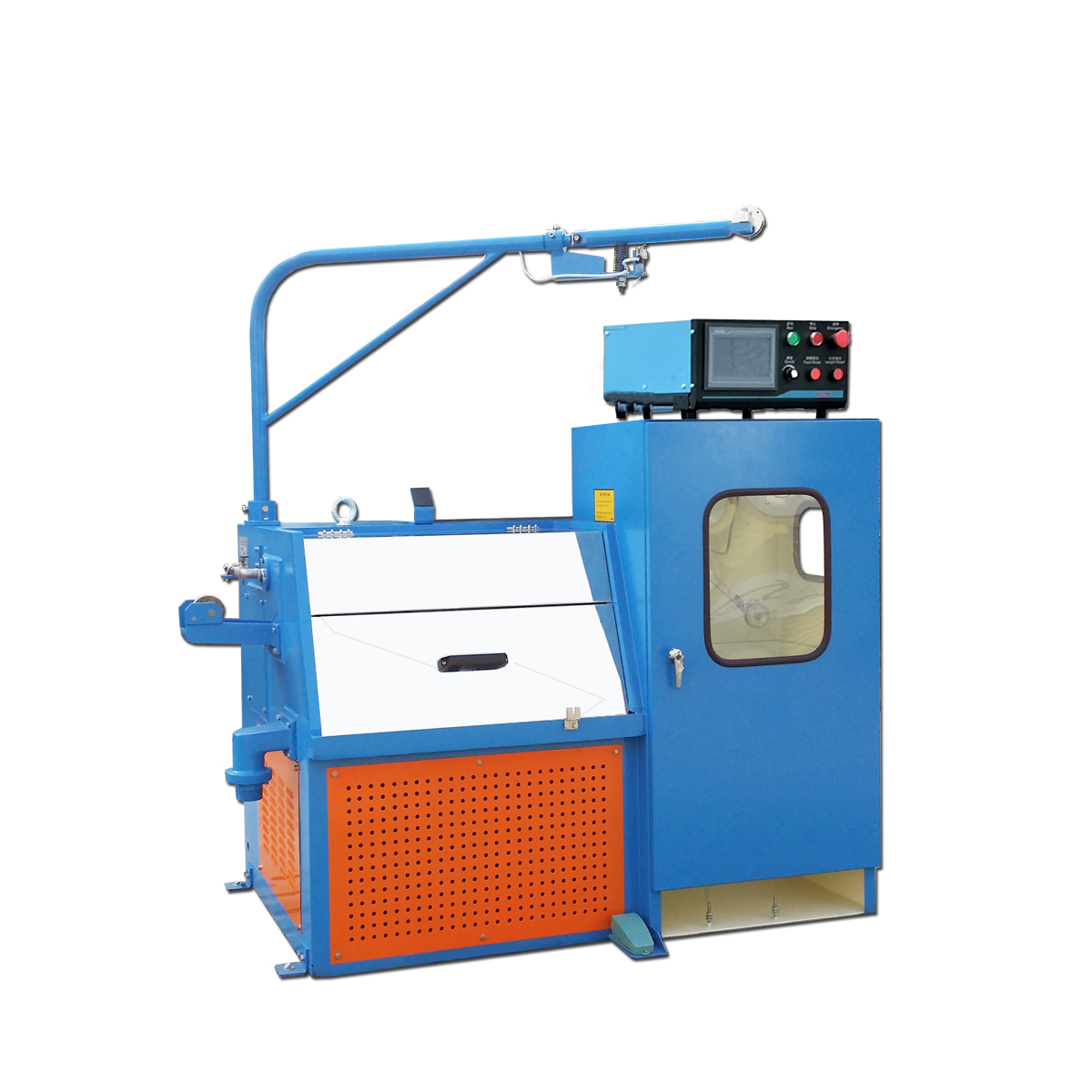
This type of machine is designed in line with international advanced production technology. It consists of a pay-off stand, a 14D main drawing machine...
See Details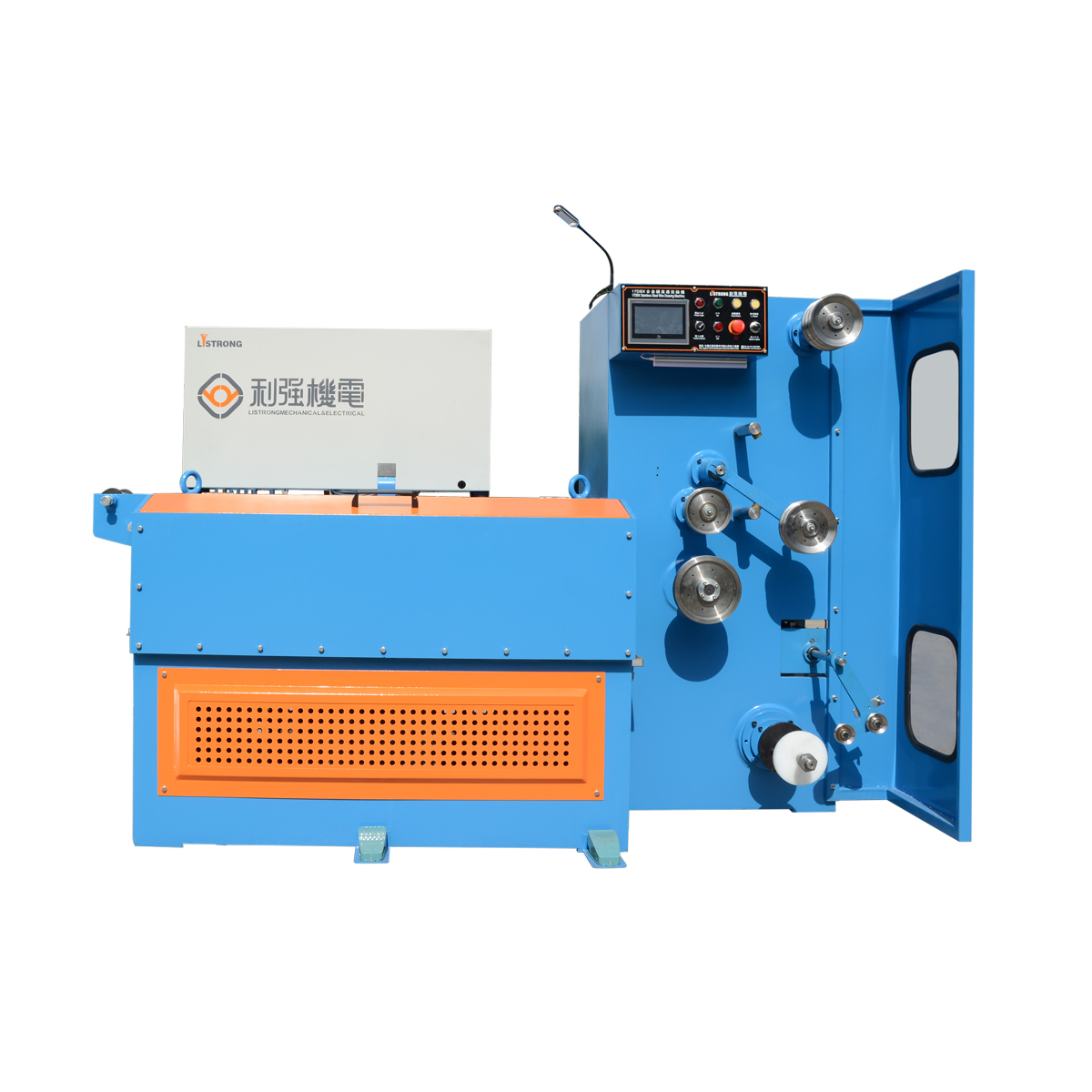
This type of machine was put into production several years ago. It is employed in the wire and cable industry to draw stainless-steel wire, reducing i...
See Details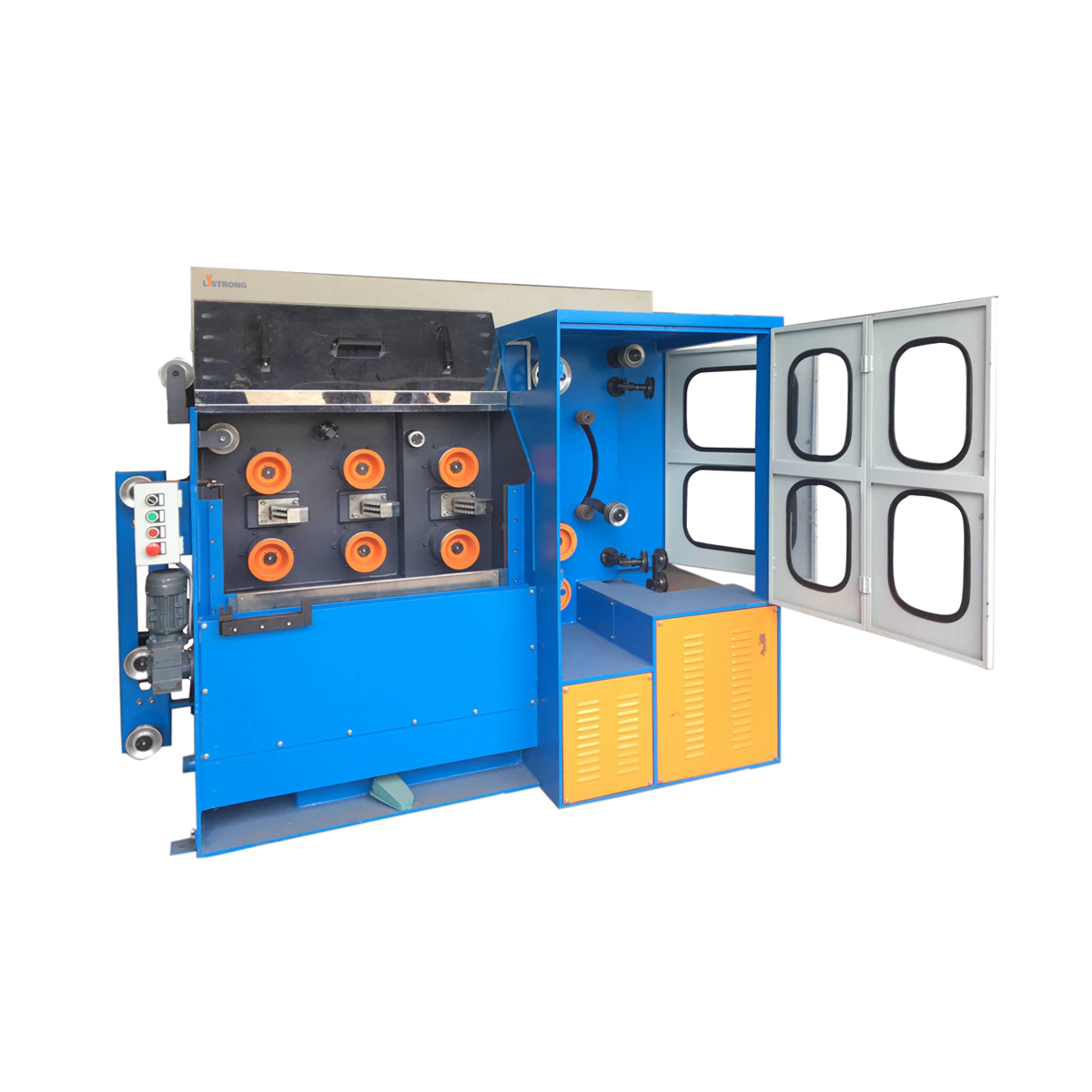
This saw wire-drawing machine is designed to draw high-carbon or high-strength steel wires, such as sawing wires. Additionally, it is applicable for d...
See Details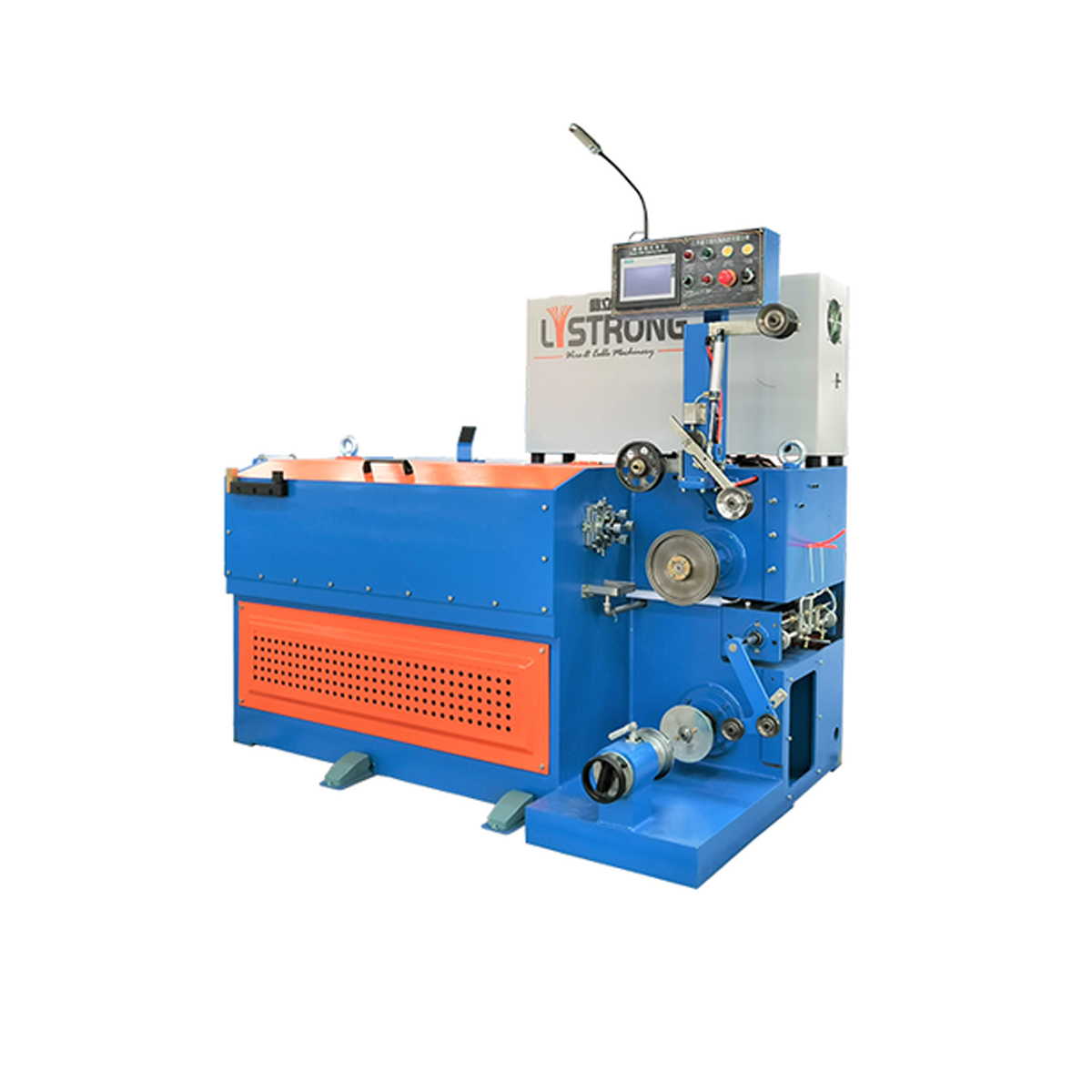
This type of machine has operated stably over the past few years and has demonstrated excellent productivity. It is highly renowned within the wire an...
See Details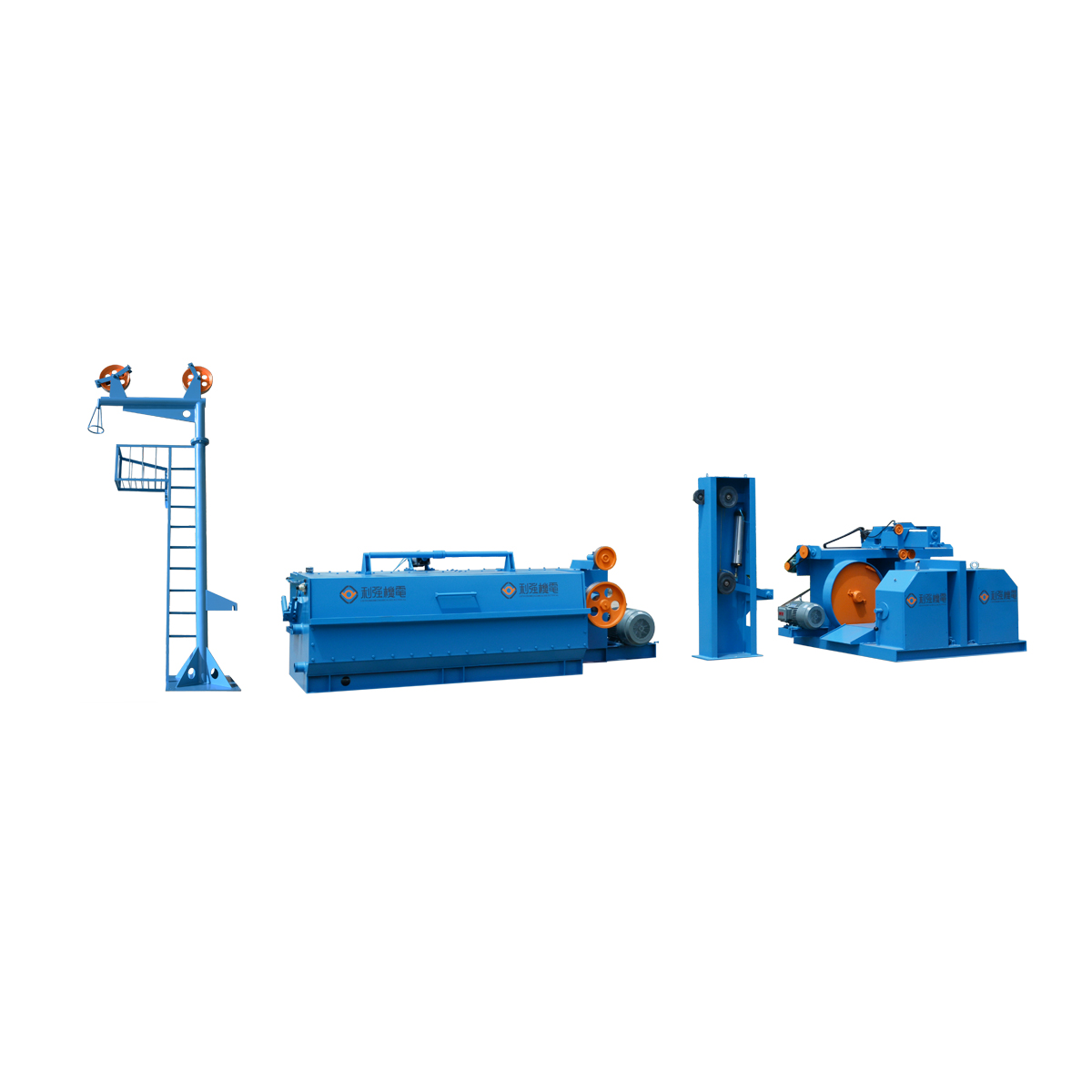
This machine is highly specialized wire-drawing equipment designed to draw aluminum rods, effectively reducing their diameter from Φ9.5mm to a diamete...
See Details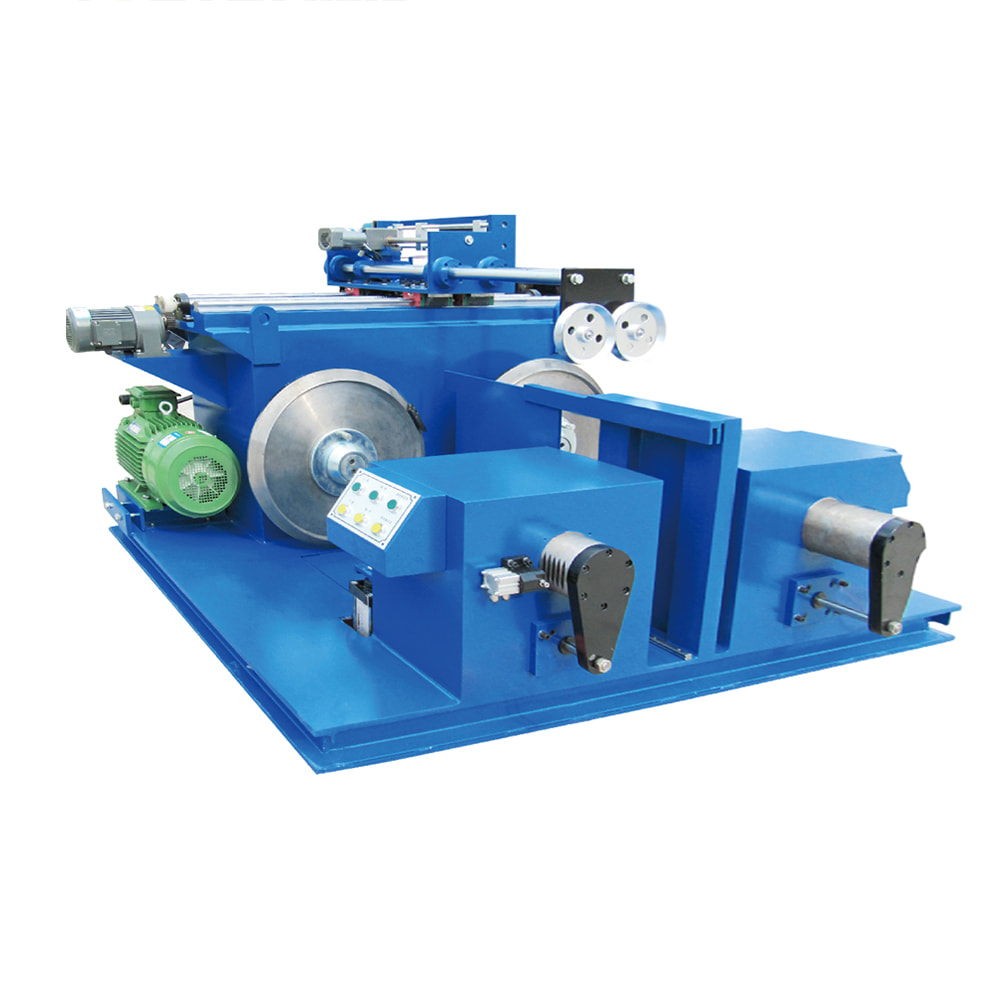
The take-up machine finds extensive application in diverse fields, particularly in the wire and cable industry. It is capable of winding a wide range ...
See Details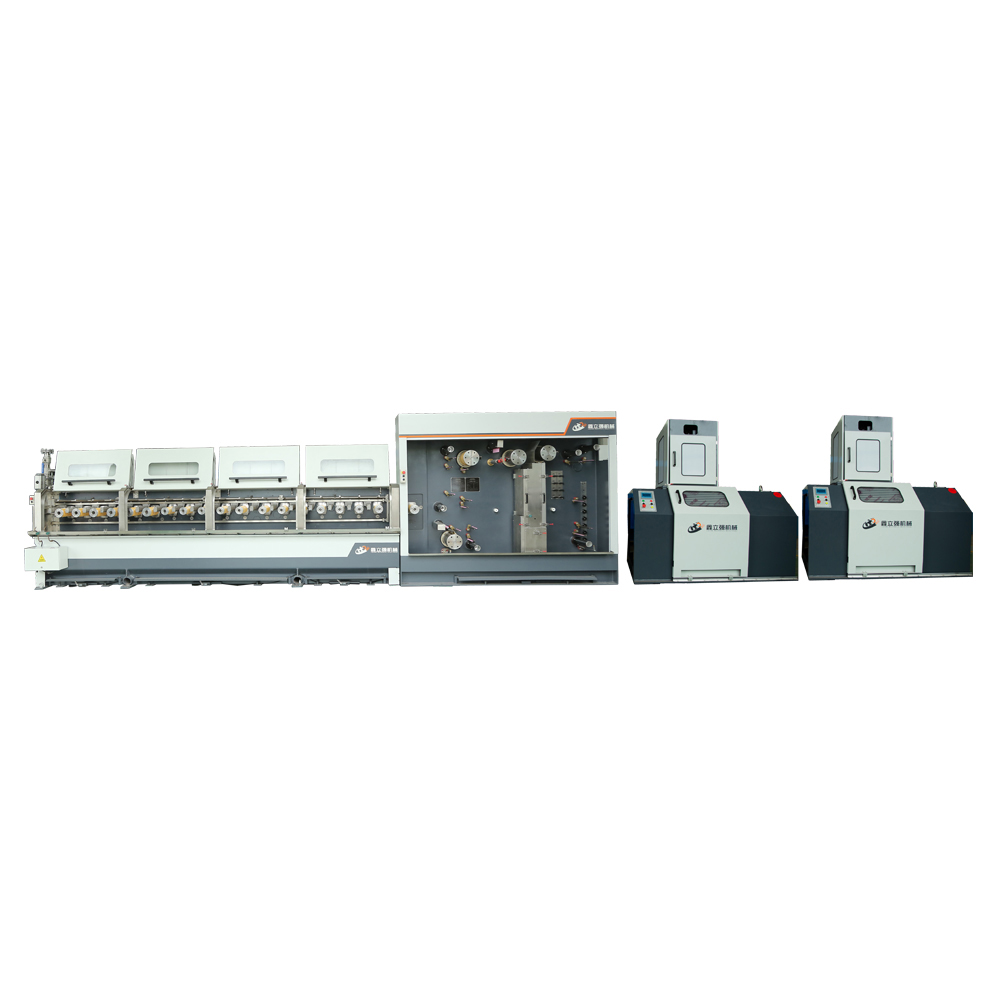
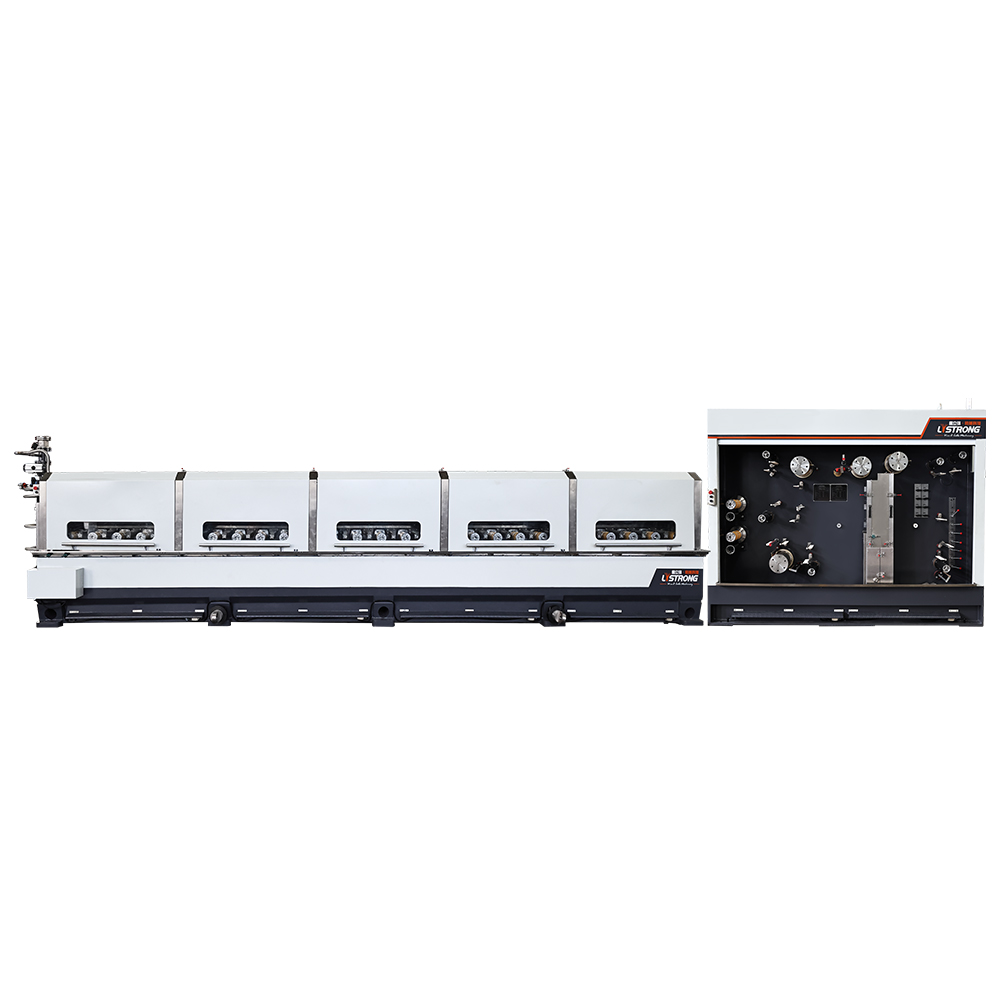
This multi wire drawing machine is ingeniously designed for simultaneously drawing 14 copper wires, with 19 drawing modules inside that can simultaneo...
See Details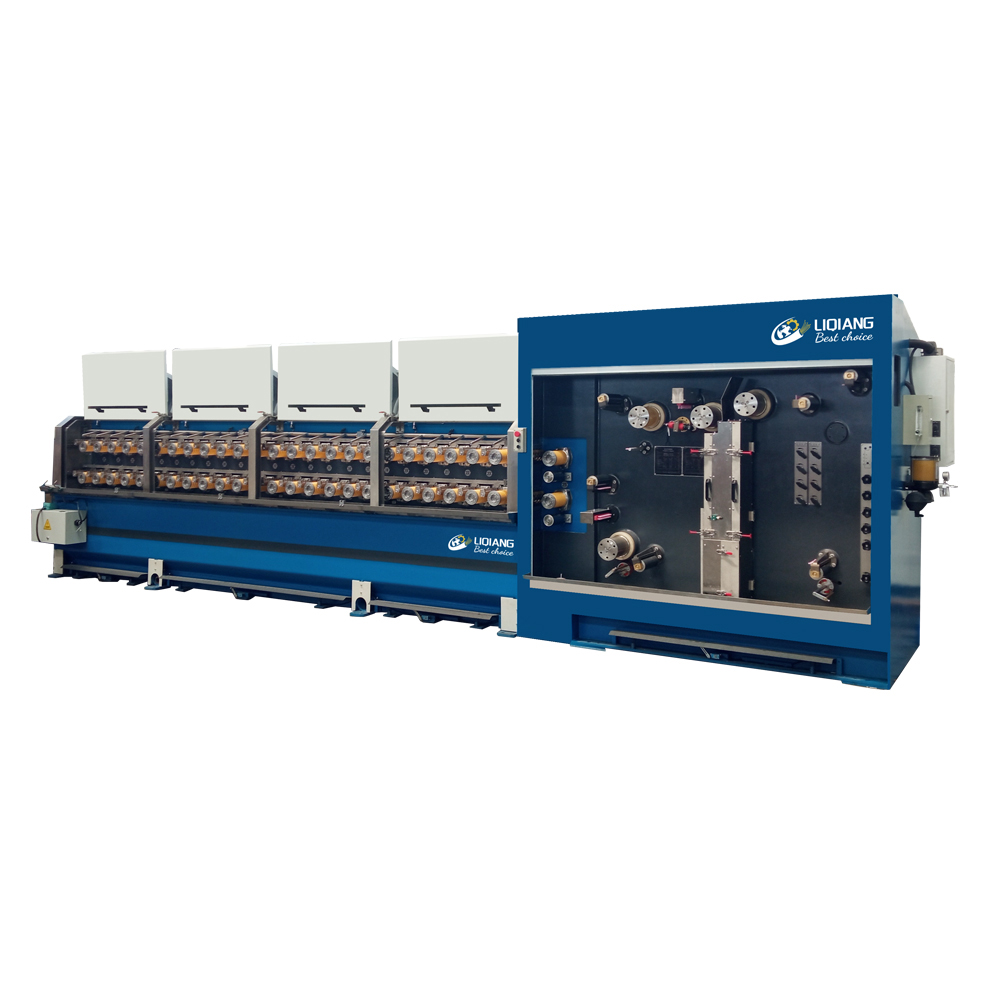
This unique multi wire drawing machine was designed with the intention of drawing 16 copper wires simultaneously. It is intricately equipped with 25 d...
See Details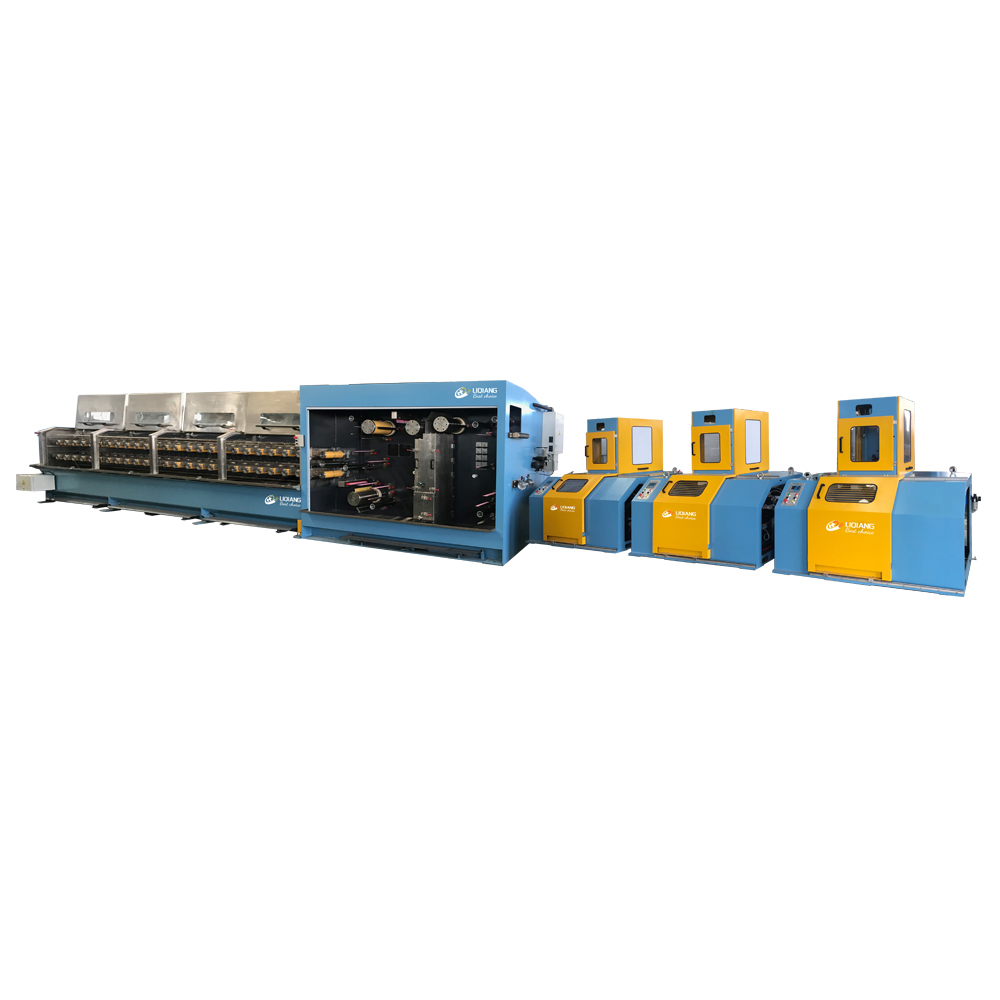
This device can simultaneously pull 24 copper wires and has a fast mold changing system, allowing for the production of products of various diameters ...
See DetailsCopyright © Jiangsu Listrong Mechanical & Electrical Co., Ltd. Rights Reserved. Privacy Wire Drawing Machines Manufacturers Wire Cable Machine Factory



Contact Us